
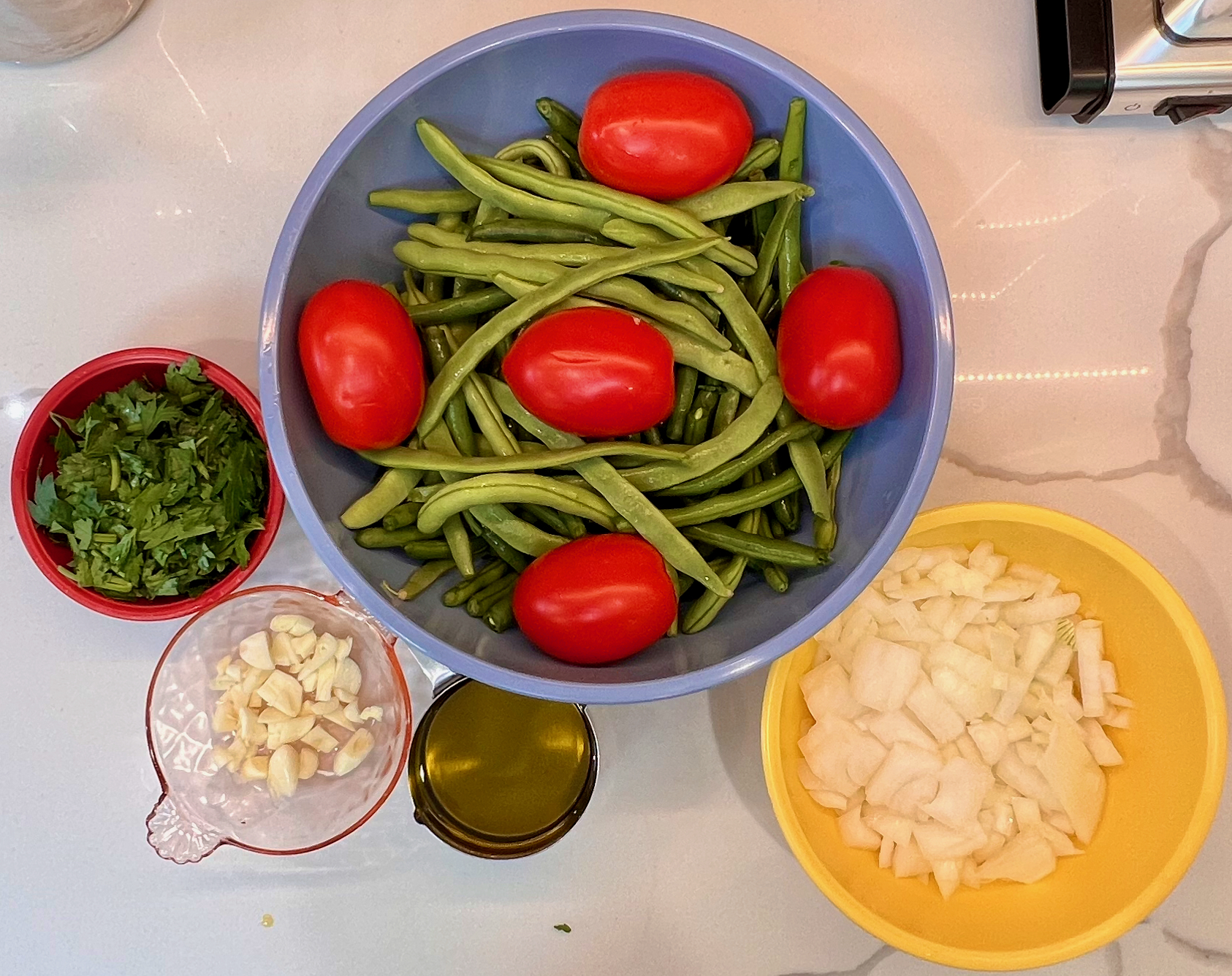
THE CLASSIC GREEK TRADITION OF VEGETABLES COOKED WITH OLIVE OIL, TOMATO, AND HERBS
Greek cuisine is known for its delicious and healthy dishes. One of the best examples of this is the Lathera dishes. Lathera means “cooked in oil.” It is a category of Greek dishes made by cooking vegetables in olive oil. These dishes often include tomato sauce or other liquids. In this blog post, we’ll take a closer look at Lathera dishes.
One thing that surprises many people about lathera dishes is the amount of olive oil used. It may seem like a lot, but the oil gives the vegetables their rich flavor and makes the dish very satisfying, so a small portion can go a long way. In traditional Greek home cooking, olive oil isn’t just a seasoning – it’s a main ingredient.
History of Greek Lathera Dishes
Lathera dishes have been a staple of Greek cuisine for centuries. Greek farmers traditionally prepared them. They would use fresh vegetables, cooking them in olive oil and herbs in large pots over an open fire. These dishes were a simple way to use up the vegetables from their gardens. They were often served as a side dish. Sometimes they were even served as a main course with bread. Lathera dishes are still a popular part of Greek cuisine today.
Lathera dishes are gaining popularity recently. They are a great way to incorporate more vegetables into your diet. They help you reap the health benefits of the Mediterranean diet.
Ingredients Used in Greek Lathera Dishes
The key to making a great Lathera dish is to use fresh, high-quality ingredients. Olive oil is a key ingredient in Lathera dishes. It is used to cook the vegetables and to add flavor to the dish. Other common ingredients include tomatoes, onions, garlic, and a variety of vegetables such as zucchini, eggplant, and green beans.
Herbs and spices are also an important part of Lathera dishes. They are used to add flavor and depth to the dish. The common Greek herbs are the main one used in Lathera dishes: oregano, dill, mint, and parsley. Sometimes, spices like cinnamon and cumin are used in some dishes to add warmth and complexity.


Cooking Methods for Greek Lathera Dishes
Lathera dishes are typically cooked slowly over low heat. This method allows the vegetables to release their natural flavors. They become tender and delicious. Many Lathera dishes are cooked in a pot on the stove. They can also be cooked in the oven. Alternatively, they can be cooked in a slow cooker.
One of the most important things to remember when cooking Lathera dishes is to use plenty of olive oil. The oil helps to cook the vegetables and infuse them with flavor. It also adds a richness and depth to the dish.
Here’s a Sample general Lathera recipe to get started. You can substitute these veggies, omit tomatoes if you like. Change out the herbs, or add some spices. This sample Briam simply keeps it Greek.

Ingredients
Equipment
Method
- Preheat your oven to 350°F.
- In a large bowl, mix together the eggplant, zucchini, onion, garlic, tomatoes, olive oil, water, oregano, parsley, salt, and pepper.1 eggplant, 2 zucchini, 1 onion, 3 cloves of garlic, 2 large tomatoes, 1/2 cup of olive oil, 1/2 cup of water, 1 tsp oregano, 1 tbsp parsley, Salt and pepper to taste
- Transfer the mixture to a baking dish and cover with aluminum foil.
- Bake for 45 minutes, then remove the aluminum foil , and bake for an additional 15 minutes.
- Serve hot or room temperature. On hot days, room temp veggies are refreshing, even with this amount of olive oil.
Examples of Lathera Dishes
Here are some popular Greek Lathera dish recipes to get you started. Many classic Greek vegetable dishes fall into the lathera category.
- Briam – a classic Greek dish. It is made with a variety of vegetables such as zucchini, eggplant, and potatoes. These are cooked in a tomato sauce and olive oil. Much like Ratatouille in France. The sample recipe above is half way there. Briam is perfect for a summer dinner.
- Spanakorizo – Spinach and rice. Also another side dish that can be eaten as a main at dinner. This one uses less olive oil.
- Prasorizo – Leeks with rice. The close relative to Spanakorizo.
- Gemista – The legendary stuffed tomatoes and peppers.
- Arakas Latheros – Peas cooked in olive oil with dill and onion.
- Aginares me Koukia – Artichokes with fava beans. I did one with limas. Simplicity personified.
- Horta – Braised greens. Usually simply braised or steamed, it is finished off with a very generous amount of olive oil. It was often dandelion greens when growing up, with lots of lemon or vinegar to cut the bitterness. Another dish better at room temp on a warm evening.
- Fasolakia – A popular Greek dish made with green beans cooked in a tomato sauce with onions, garlic, and herbs. Fasolakia is a healthy and flavorful dish that is perfect for a vegetarian meal.
- Lahanorizo – Cabbage with rice. Another variation of the veg with rice. This is also fabulous
Greek Lathera dishes are a healthy, flavorful, and easy way to incorporate more vegetables into your diet. They are a staple of Greek cuisine, and they are enjoyed by people all over the world. With their fresh ingredients and simple cooking methods, Lathera dishes are a great addition to any meal. So why not try making one of these delicious dishes today and tell me what you think..
2 responses to “Lathera – Greek Olive Oil Vegetable Dishes”
Why do you add water to this?
Because some if it can easily burn and stick top the bottom of the pan. Like the onions. Water prevents it, and it get absorbed so you can’t see it was ever in there